Creating what is beautiful and preserving what is valuable with KEIM mineral paints.
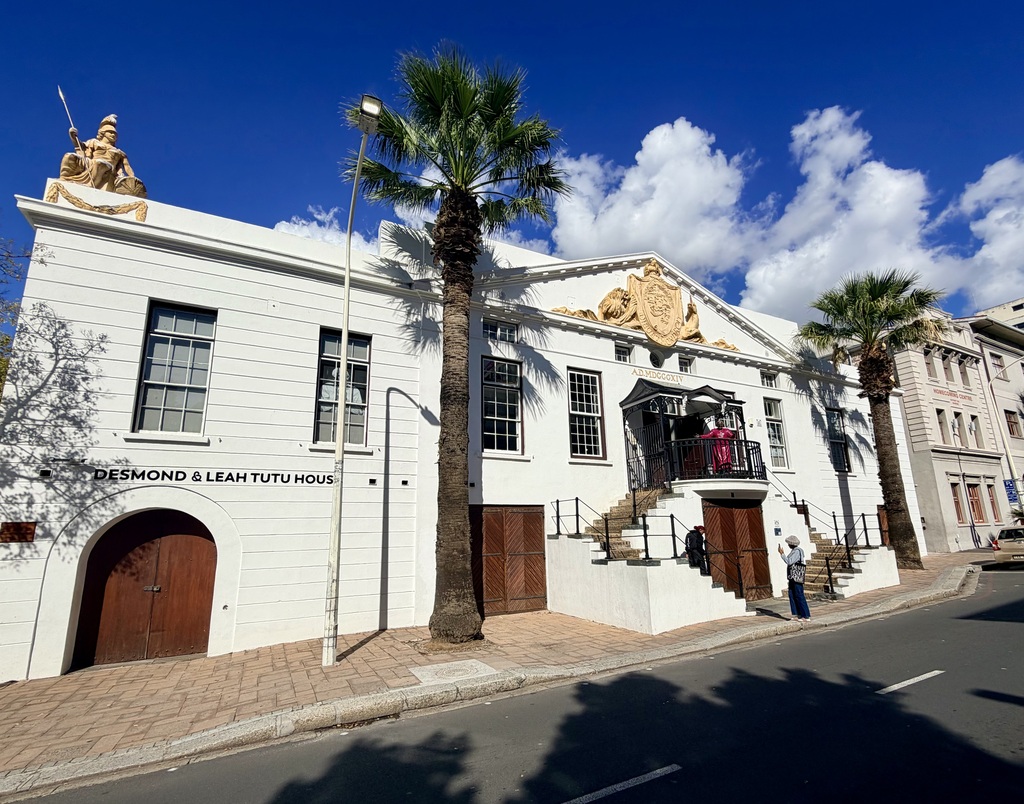
Those who recognise that the past is the key to the present and future are aware of the significance of preserving and renovating historical buildings and protecting monuments.
The primary objective of committed monument preservation and protection is to safeguard the architectural legacy of our predecessors for future generations. This is a significant challenge for all those involved in the renovation of historic buildings. The aim of such work is to ensure the permanent protection and maintenance of monuments and historical structures, safeguarding them from damage and other adverse effects.
This protection ensures that future generations can also enjoy the cultural legacy and historic past of buildings in their authentic form. When restoring and renovating old buildings, it is imperative that the materials used meet the highest quality requirements.
It is important to distinguish between these two terms, which are sometimes used indiscriminately. Restoration of buildings is about correcting structural defects and then increasing the value of the building through improvements, such as painting the facade. Restorers are dedicated to the same task, but in a more scientific way, preserving the architectural heritage without altering it. When finishing listed facades, an attempt should be made to respect the antiquity of the building and therefore to use compatible painting techniques that preserve the historical character.
To this end, mineral paints without titanium dioxide can be used, or a final treatment with a glaze, which create surfaces with a certain depth and irregularity that reinforce the impression of authenticity of the facade.
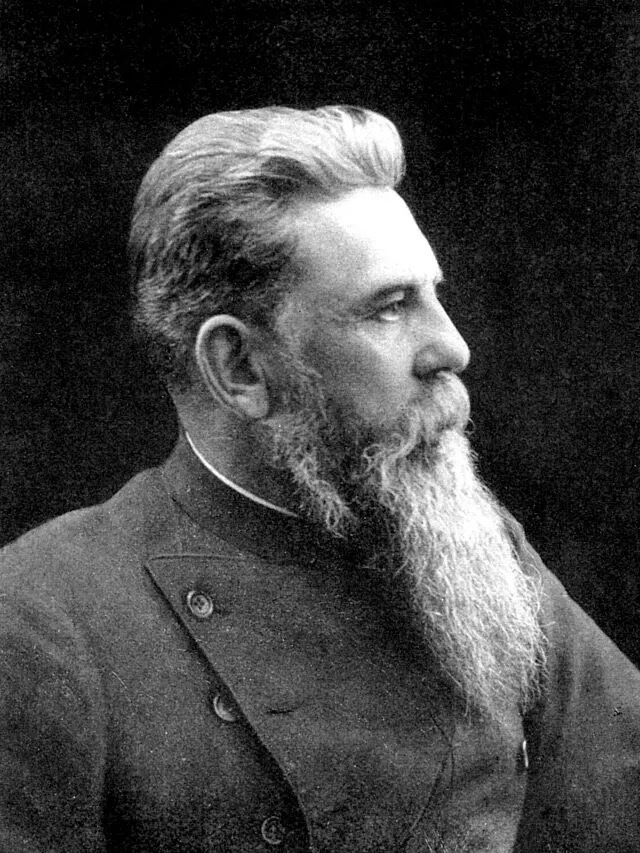
"It is my aspiration to always be able to convey to future generations the unchanged splendour and beauty of the artistic creations as eloquent witnesses of the respective era."
- Adolf Wilhelm Keim, pioneer of silicate technology in 1881
The building techniques of the past were largely determined by the materials available on site and the cultural aspects and trends of the time. As the techniques, materials and even tastes of antiquity varied at different times and in different geographical areas, so too do the conservation and restoration criteria applied today.
Conscious restoration is characterised by the greatest possible respect for historical materials.
The Mediterranean region is the cradle of lime, a material traditionally used for both plastering and painting and has proven to be an excellent material for centuries. The exceptional compatibility and chemical reaction of silicate paint with lime make it a predestined material for the conservation and restoration of walls made of lime.
It was in 1878 that Adolf Wilhelm Keim was issued the patent for the innovative composition of his mineral paints which is still in use today. KEIM mineral paints have a completely mineral basis, making them eco friendly, breathable and low VOC.
The "waterglass" binder is a silicate that forms a chemical bond with mineral substrates such as stone, render and concrete. The result is an extremely durable bond between the substrate and wall paint or facade paint, which is far more resistant than the purely superficial adhesion of conventional paints.
Materials used to restore and renovate listed houses and facades must meet the highest quality requirements.
Developed in 1878 by Adolf Wilhelm Keim, the originator of silicate technology, KEIM Purkristalat has been setting standards for durability, protection and fascinating colour brilliance for 140 years. Used predominantly for protecting historical buildings, KEIM Purkristalat enjoys favoured status among conservators and restorers and is often referred to as "church paint".
KEIM Purkristalat derives its unique quality from the perfect balance of its high-grade, exclusively mineral ingredients: inorganic, lightfast pigments, selected minerals as fillers and pure liquid potassium silicate as the binder.
But the "original silicate paint" owes its legendary reputation to the innumerable projects all over the world that, for generations, have impressively demonstrated what makes KEIM Purkristalat so unique: luminosity and vitality even after decades – facades that age with dignity.
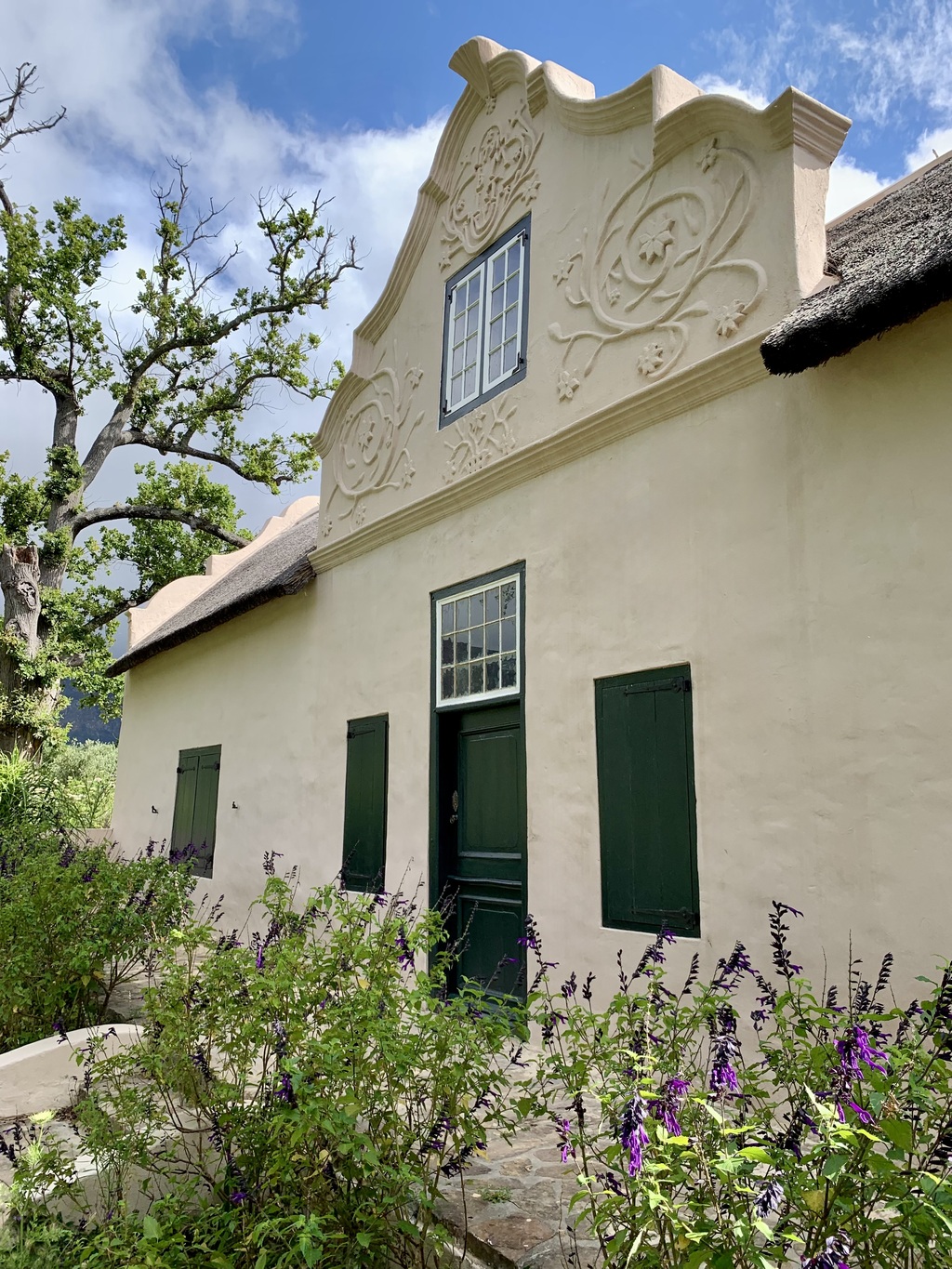
When a historical building is being renovated, monument preservation measures are frequently caught up in the conflict between remaining as true as possible to the original building by using historical materials for reconstruction, and the scope of what is technically feasible.
Often enough, this also applies to choosing a suitable coating system for monument protection.
Certain substrate characteristics, such as unstable renders or very thin render layers or slurries, may make KEIM Purkristalat unsuitable for the pending renovation. In this case, we recommend KEIM Unikristalat.
The purely silicate-bonded, titanium dioxide-free facade paint has special potassium silicate as a binder that undergoes a process known as "fine silicification" to form a low-tension bond with the substrate.
As a result, it can be used particularly for renovation work on weak renders or renders that are relatively thin.
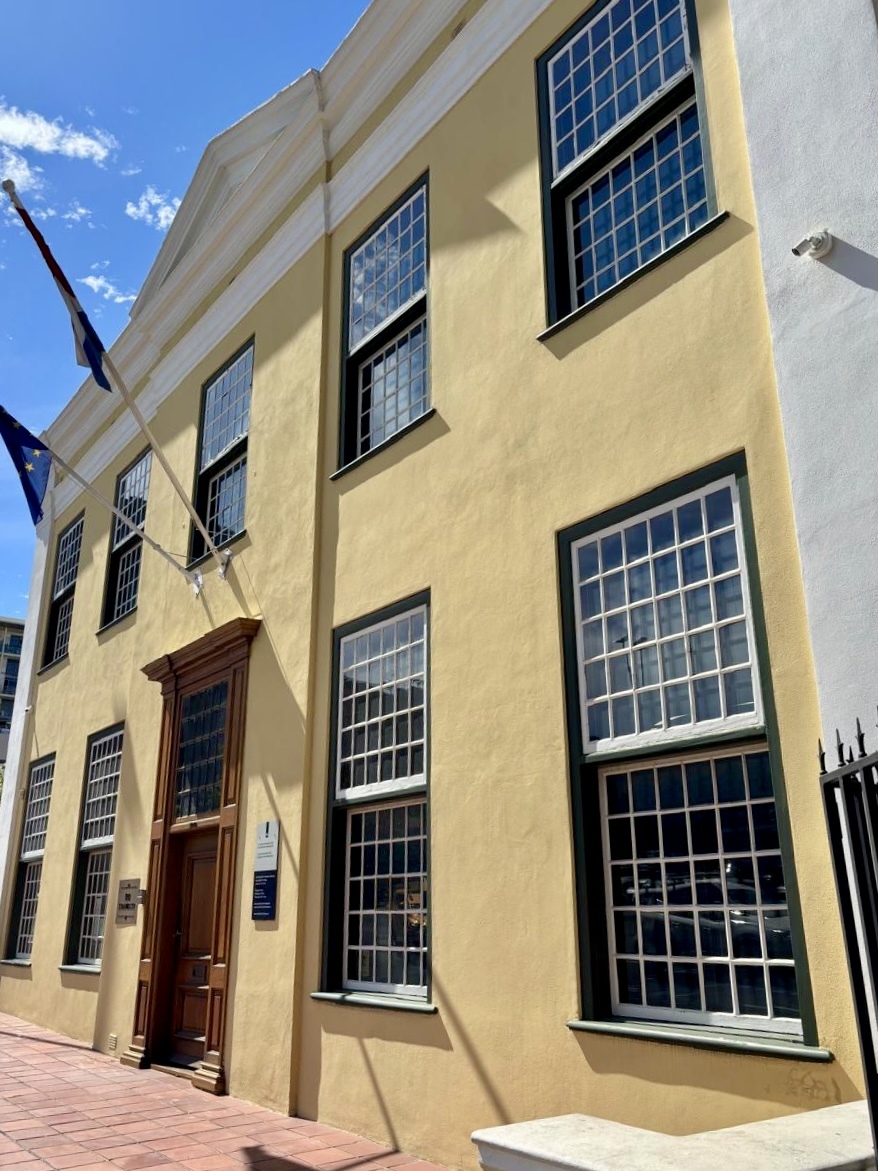
▼ Are you renovating a monument and still looking for the right products for monument protection?
▼ Do you have any questions about our products for a heritage building, historical monument or generally about renovating old buildings?
We are your partner for monument protection, feel free to reach out to our Technical Department.
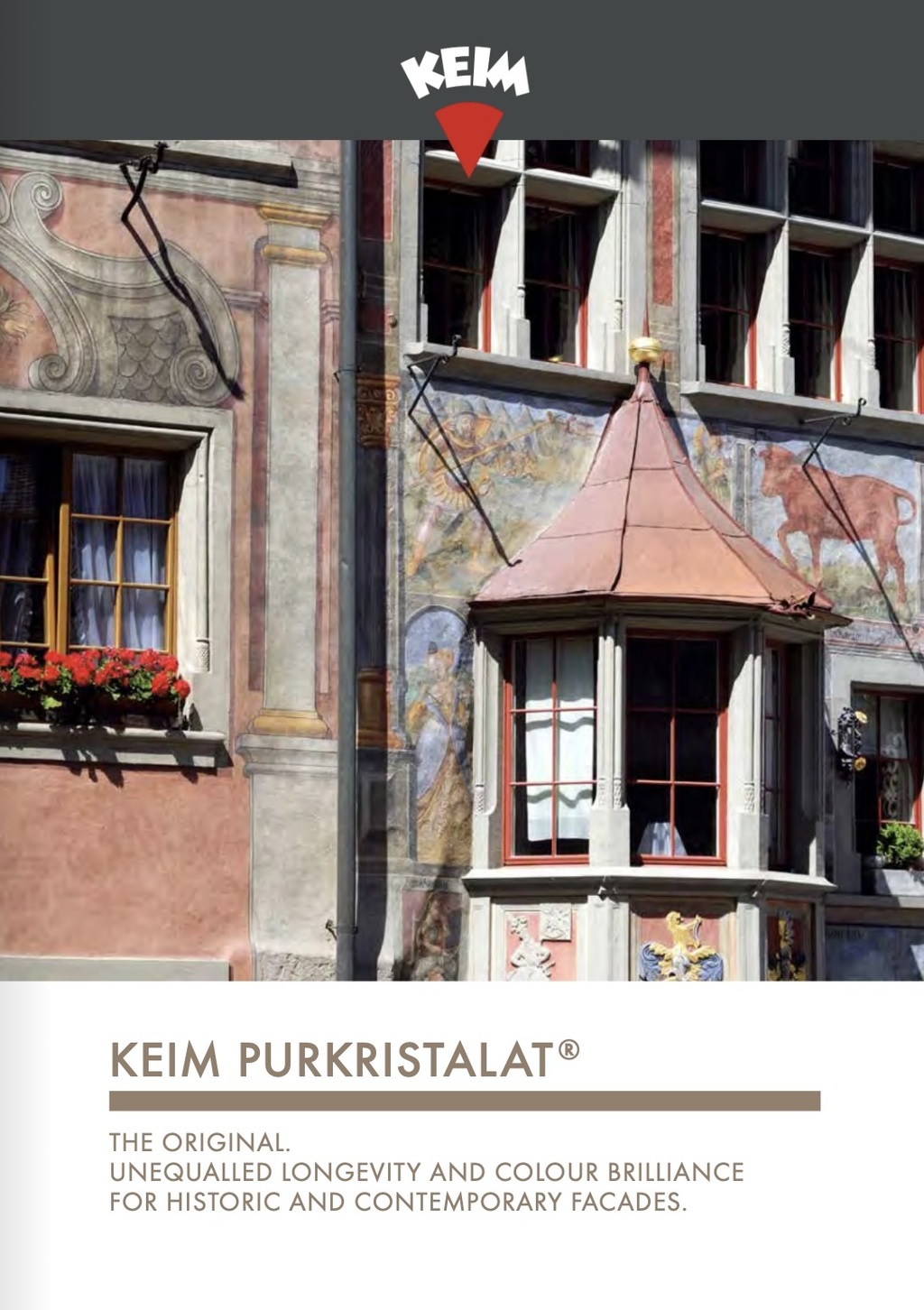
Unequalled longevity and colour brilliance for historic & contemporary facades in our company brochure!
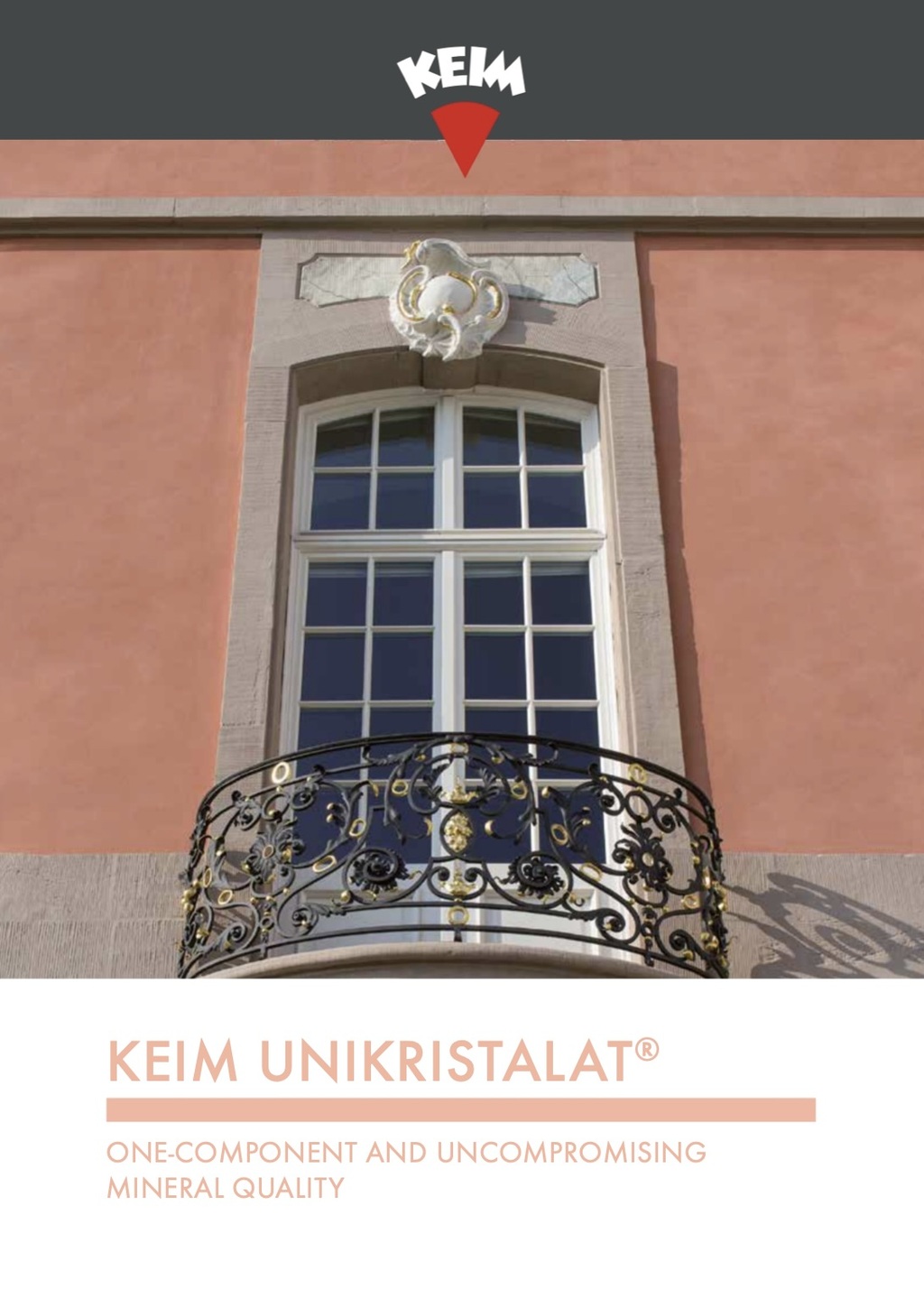
One-component and uncompromising mineral quality in our company brochure!
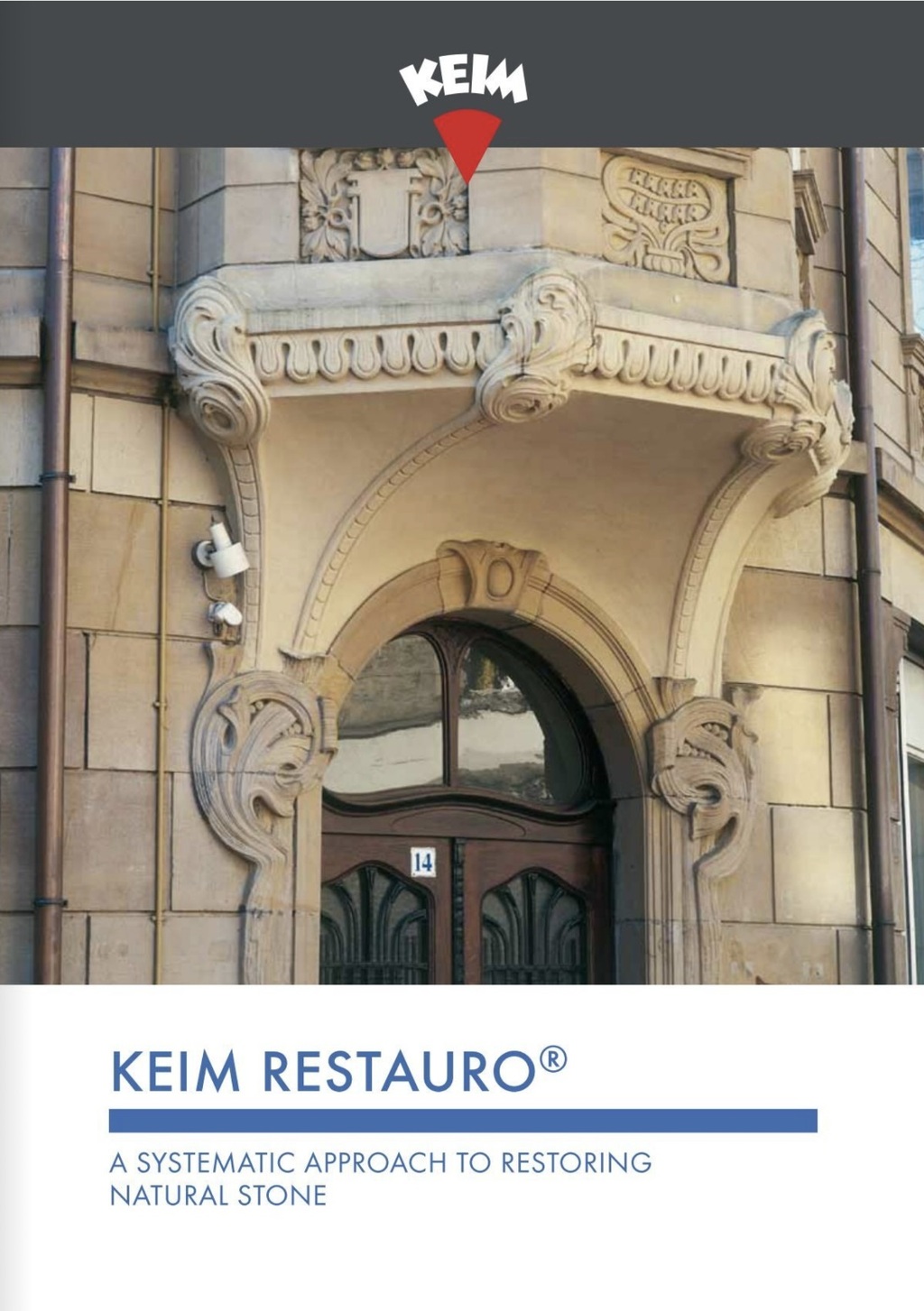
Protect and restore natural stone!
Copyright © 2001-2026 KEIM Southern Africa, All Rights Reserved