There are significant differences between eco-friendly, sustainable paints and conventional paints. The characteristics of a paint are primarily determined by its "inner values," meaning its composition of binders, pigments, fillers and additives.
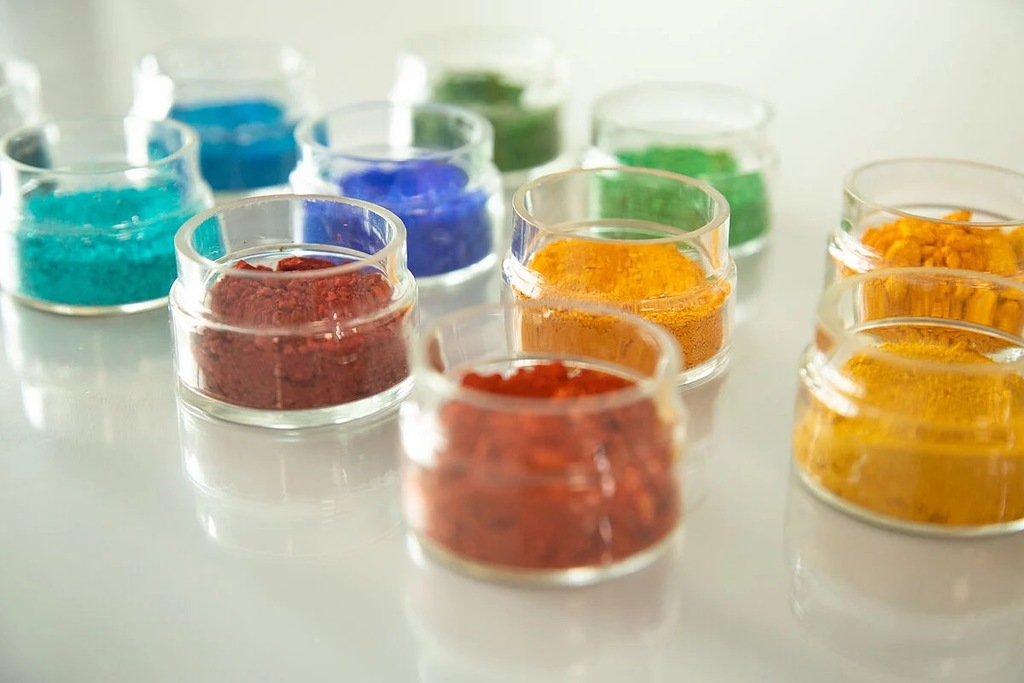
Paints undergo changes when exposed to UV light and other external influences. Wood darkens or greyed and coatings on facades can fade. Fading can be avoided with environmentally friendly paints by KEIM which contain only lightfast inorganic pigments and mineral binding agents such as potassium silicate or sol-silicate. Potassium silicate is highly weather-resistant.
In contrast to conventional paints, the inorganic pigments in KEIM silicate paints are not enclosed in a film but exposed directly to light. The colour shades are visible directly from the velvety matt surface revealing an exceptional depth and high brilliance.
The most important ingredient influencing the quality of a paint is the binder. It is responsible for adhesion, weathering protection, breathability and durability as well as protection of the lightfast pigments. The binder is also responsible for many of the paint's properties and determines the length of the renovation cycle of a facade. Paints with mineral binders offer an advantage in this respect. A distinction may be drawn between two groups of binders: mineral binders (=inorganic) (e.g. water glass or potassium water glass) and organic binders (such as synthetic resin emulsions or silicone resin emulsions). The main difference is the principle of adhesion: mineral binders react chemically with the substrate, whilst organic binders adhere only by "adhesive bonding".
It is the binder in particular that divides the world of paints into two fundamental directions: mineral and petrochemical technology. The latter uses binders based on polymers, i.e. plastics, which are produced from crude oil in energy-consuming synthesis processes. These "organic" binder particles are the core of emulsion paints or silicone resin paints. After drying, they form a more or less impervious paint film on the surface.
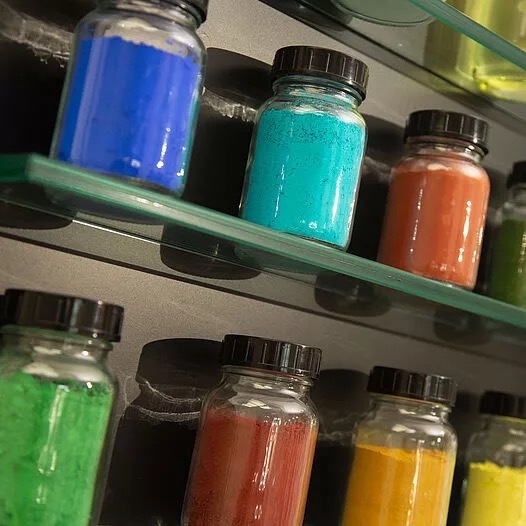
(Colour) Pigments are very fine, extremely chromophoric powders. The addition of pigments imparts colour to coating materials. Pigments are also divided into inorganic (= mineral) and organic types:
Inorganic pigments are obtained from inorganic raw materials (minerals), while organic pigments are mainly manufactured from organic raw materials.
The mineral pigments in our silicate, eco friendly paints and colour washes are extremely colour-stable, light reflecting and do not fade.
Fillers typically consist of rock flour which thickens the layer of applied paint to protect the facade from weathering.
Most paints also contain so-called additives, which are auxiliary substances used to adjust various paint properties such as water repellency or consistency.
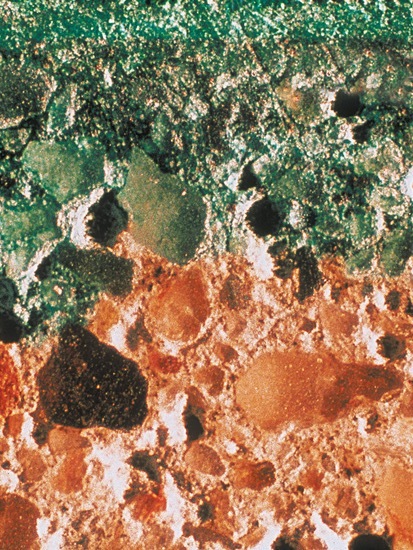
The principle of silicate technology is based on the silicification of the binder with the substrate. This chemical process involves the reaction of the waterglass of the potassium silicate binder with the mineral substrate.
Silicification results in a secure, insoluble bond between the paint and the underlying substrate (render, natural stone, concrete etc.). The render cross-section (shown on the right) illustrates the silicification process using dyed KEIM Fixativ (liquid potassium silicate).
This bond is crucial for the unrivalled high durability of KEIM silicate interior and exterior paints.
It was in 1878 that Adolf Wilhelm Keim was issued the patent for the innovative composition of his mineral paints which is still in use today. KEIM mineral paints are entirely mineral-based making them environmentally friendly breathable and low VOC.
The "waterglass" binder is a silicate that forms a chemical bond with mineral substrates such as stone, render and concrete. The result is an extremely durable bond between the substrate and wall paint or facade paint, which is far more resistant than the purely superficial adhesion of conventional paints.

The ideal combination of liquid potassium silicate as a binder, mineral fillers from natural sources and inorganic colour pigments ensures maximum weather resistance, breathability and exceptional durability. They are no-odour, non-fade and non-toxic paints!

Sustainable building and renovating contribute significantly to a better future and environmental protection.
Silicate paints manufactured by KEIM offer substantial ecological advantages due to their mineral product composition. The potassium silicate binder enables the production of paints without preservatives solvents or plasticisers.
Our interior paints therefore ensure an optimum indoor climate and healthier homes, making them child-safe and allergy-friendly.

The perceived cost savings from using cheaper paint materials can lead to more expensive long-term consequences such as increased frequency of repainting and reduced durability. In contrast, choosing quality from the outset is often the more cost-effective and affordable solution.

Conventional white paint can yellow and fade. This can be avoided by using mineral paints with extremely lightfast inorganic pigments. Mineral paints by KEIM remain fresh and durable even after decades of exposure to UV light.
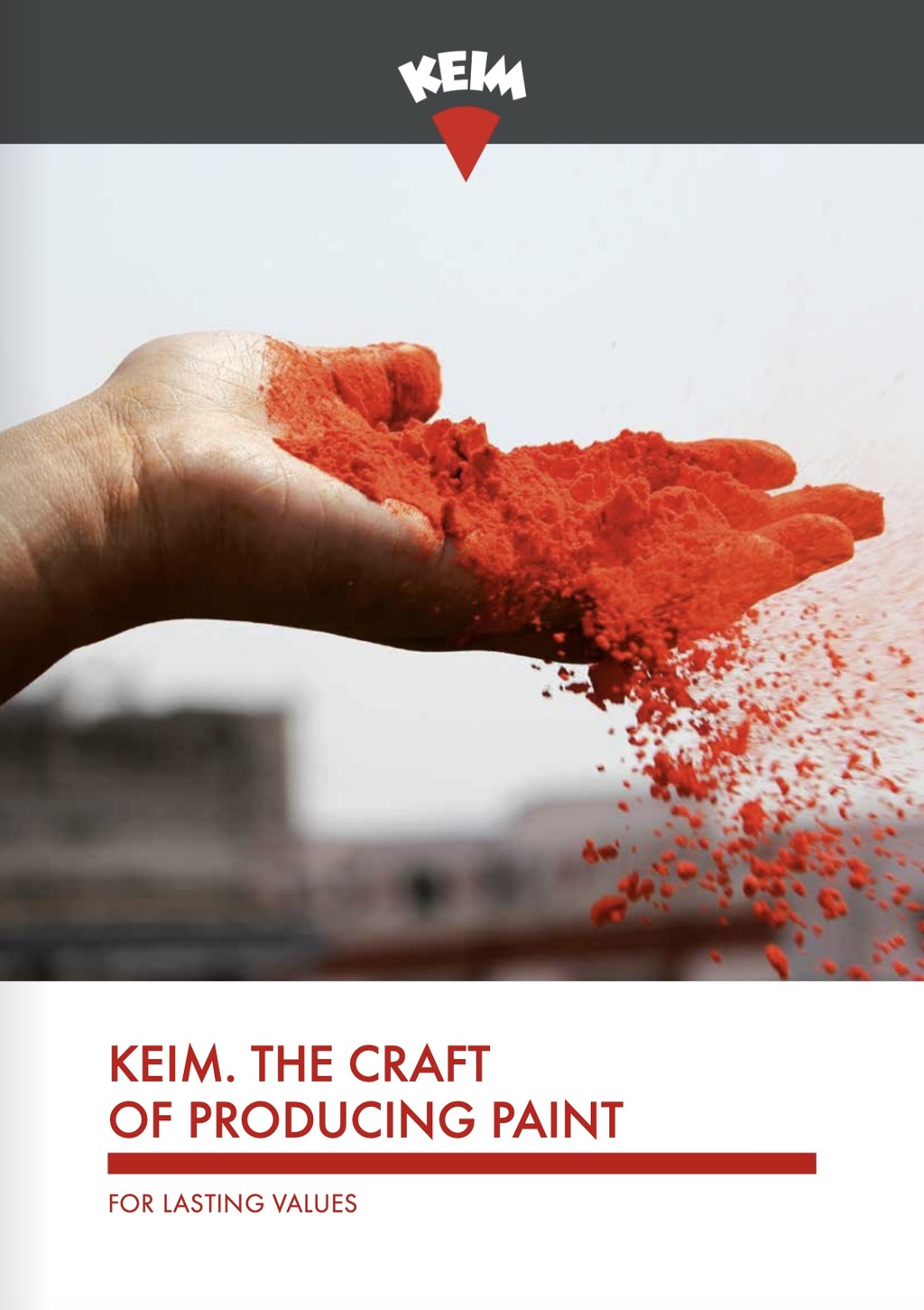
The advantages of our silicate paints in our company brochure!
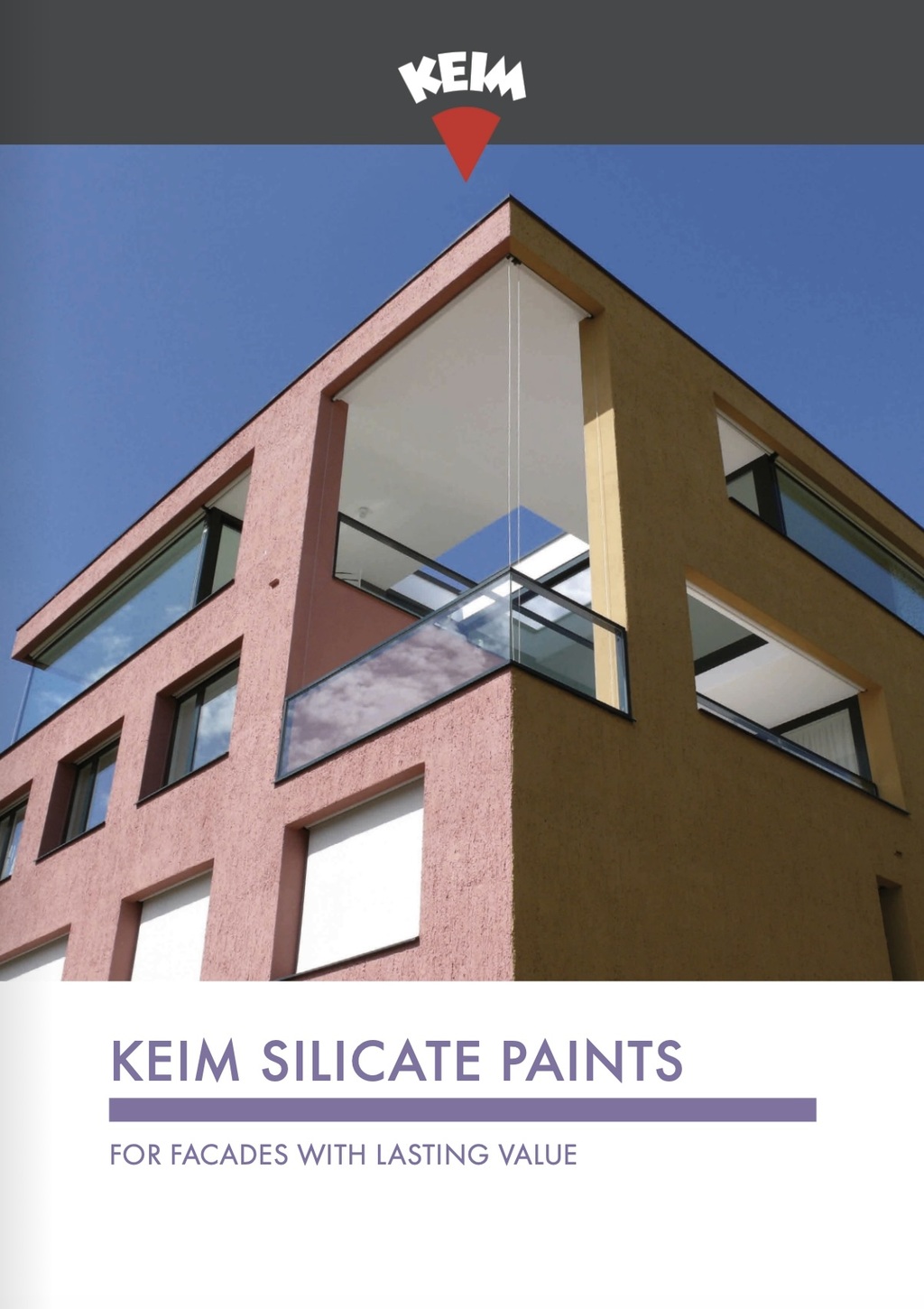
Details about the mineral principle in our brochure "Silicate paints"!
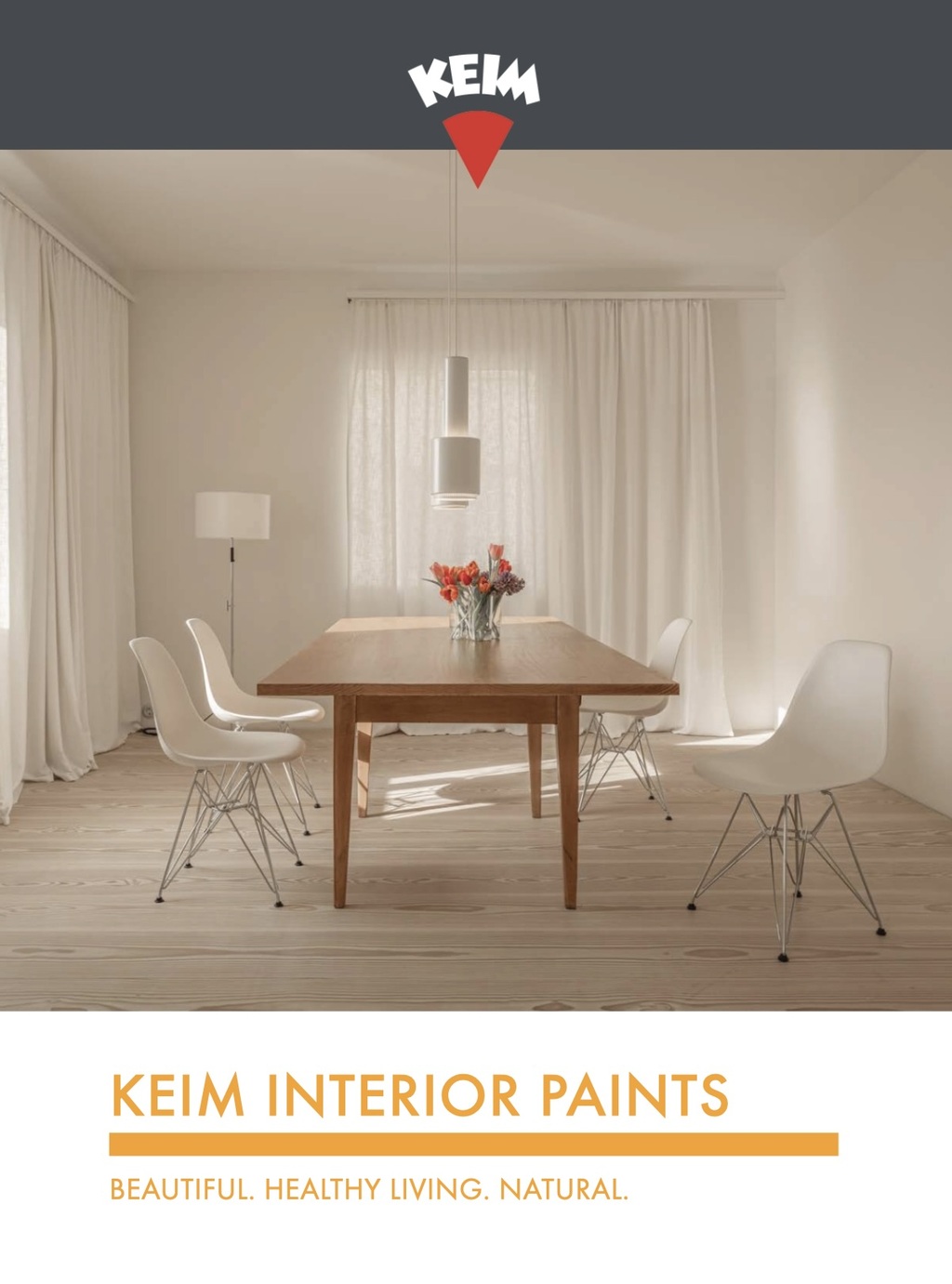
KEIM paints, improve your indoor climate!
Copyright © 2001-2026 KEIM Southern Africa, All Rights Reserved